Key Takeaways
- A mountain home should be evaluated by its full ownership cost, not its list price alone.
- Road access, snow removal, heating, water, septic systems, and internet service can influence daily convenience and future resale appeal.
- Insurance research should begin early in the purchase process.
- Rental plans require a close review of local rules, HOA documents, and property-specific restrictions.
- The home, land, road, and surrounding services all deserve attention before an offer is made.
Buying a mountain home near Winter Park, Fraser, Granby, or Grand Lake is about much more than choosing a beautiful view. Elevation, winter weather, steep terrain, private utilities, and seasonal access can all shape what it costs to own a property and how comfortably it fits everyday life.
For buyers weighing those details, Winter Park real estate agent Laura Zietz provides local real estate guidance across Winter Park, Granby, Grand Lake, Fraser, and surrounding Grand County communities. Laura Zietz’s website includes property searches, neighborhood information, buyer resources, home valuation tools, and local market guidance, making it a useful starting point for buyers comparing mountain homes with very different access, maintenance, and location considerations.
Why Mountain Homes Need a Different Buying Plan
A condo near the Winter Park Resort base and a secluded home outside Granby may both be mountain properties, but they can require very different ownership plans. A full-time resident may prioritize dependable winter commuting, storage, schools, and access to medical care. A second-home owner may need remote monitoring and dependable vendors. A buyer considering rental use must also investigate rules, operating costs, and periods when demand may be lower.
It is easy to focus on an open deck, timber beams, or a dramatic Continental Divide view. But a home can be visually appealing and still be a poor fit if it has a difficult private road, an aging heating system, limited winter parking, or maintenance needs that exceed the buyer’s budget.
Start With the Total Cost of Ownership
The purchase price is only the first number. Before making an offer, create an annual ownership estimate that accounts for ordinary expenses and a reserve for surprises. Ask the seller for available records, then compare them with your own expected use of the property.
- Property taxes, HOA dues, and special assessments.
- Homeowners insurance, plus any coverage recommended for the property’s risks.
- Snow plowing, sanding, roof snow removal, and seasonal landscaping.
- Electricity, heating fuel, fireplace or stove maintenance, and backup-power costs.
- Well, septic, shared-water, or private-road expenses where applicable.
- Property-management services for owners who live elsewhere.
- A repair reserve for roofs, decks, drainage, mechanical systems, and winter-related damage.
Check Access Before Falling in Love With the Home
Road access is one of the most practical questions in Grand County. A route that feels simple on a dry summer afternoon may be materially different during snowfall, icy conditions, or spring runoff. Confirm the answer in documents when possible rather than relying only on informal descriptions.
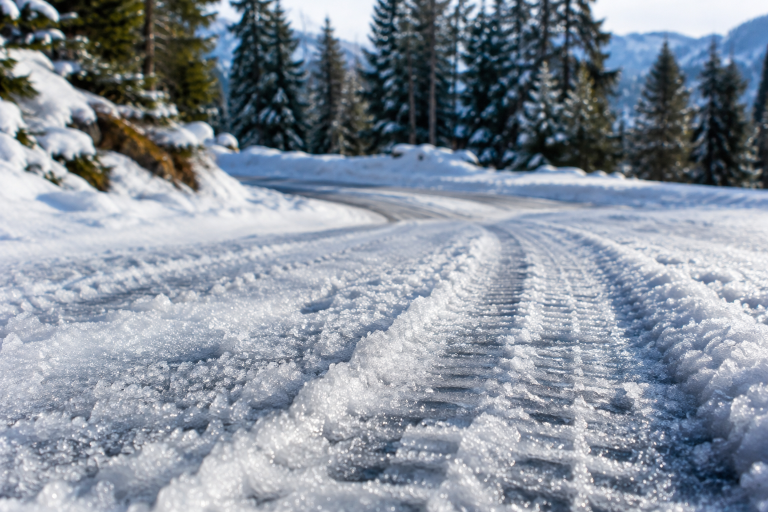
Questions to ask about the route
- Who owns the road, and who is responsible for maintaining it?
- Is it publicly maintained, privately maintained, or covered by an agreement?
- Who handles snow removal, and how quickly is it typically completed?
- Are there steep grades, narrow sections, bridges, or seasonal limitations?
- Can emergency vehicles reasonably access the property?
- Will the home require winter tires, four-wheel drive, or additional vehicles?
If possible, visit at different times of day and in changing weather. Also consider where guests, delivery drivers, contractors, and snowplows will turn around and park.
Review Heating, Insulation, and Backup Power
Reliable heat is central to mountain ownership. Ask what the primary heat source is, whether there is a secondary source, and when the furnace, boiler, fireplace, wood stove, or other equipment was last serviced. Recent utility bills and maintenance records are more useful than a general estimate of monthly costs.
Pay attention to insulation, window condition, exposed plumbing, crawlspaces, and the systems used to protect pipes when the home is vacant. If the property has a generator, ask whether it is operational, what it powers, how it is fueled, and whether it has been maintained.
Water, Septic, and Drainage Deserve Close Review
Some mountain homes use systems that require more hands-on attention than municipal water and sewer systems. A private well and septic system can serve a property well, but buyers should request the relevant permits, service records, inspection reports, and recent testing when available.
- Well permits, water-testing results, pressure equipment, and storage tanks.
- Septic permits, pumping history, inspection findings, and system location.
- Shared-water agreements or other recorded arrangements.
- Drainage around the foundation, driveway, retaining areas, and lower-level entries.
- Snowmelt paths, roof runoff, and signs of water movement near the structure.
Make Insurance Part of the Offer Strategy
Request an insurance quote before the inspection period ends, especially if the property is wooded, remote, older, or vacant for part of the year. Discuss replacement-cost limits, wildfire exposure, roof and snow-load considerations, frozen-pipe risk, and any exclusions that may affect the home.
Flood risk should be reviewed as a property-specific question, not assumed away because a home sits in the mountains. Buyers can use the official flood hazard information to search an address and understand available flood-map materials, then follow up with an insurer and local professionals as needed.
Study Rental Rules Before Counting on Income
Short-term rental plans should never be treated as automatic. Rules may come from a town, county, zoning district, HOA, condominium association, lender, or insurance policy. Before relying on projected income, verify licensing requirements, occupancy limits, parking expectations, noise and trash rules, and any restrictions recorded in the community documents.
Build a purchase budget that remains workable if rental demand is lower than expected, regulations change, or the home cannot be rented for a period of time.
Look Beyond the Interior
The setting can affect both enjoyment and practicality. Test cell service and internet at the home itself, not only nearby. Consider the distance to groceries, fuel, health care, trails, ski areas, and other services that matter to your household. Also ask about wildlife, trash storage, road noise, construction activity, and nearby development plans.
For a broader household budget review, Colorado’s individual tax resources can help buyers identify state tax topics to discuss with a qualified tax professional. For property-specific assessment and tax questions, confirm details with the appropriate county office.
A Simple Pre-Offer Checklist
- Confirm that the home fits your full-time, second-home, or rental plan.
- Review utility bills, maintenance records, and major-system service history.
- Verify road ownership, access, snow-removal duties, and winter parking.
- Obtain an early insurance quote.
- Review HOA rules, zoning, and rental restrictions.
- Inspect water, septic, drainage, roof, and foundation conditions.
- Test internet and cell service at the property.
- Estimate recurring maintenance and establish a repair reserve.
Buy the Mountain Home That Works in Every Season
A Colorado mountain home can offer recreation, privacy, and a strong connection to the landscape. The best choice is rarely determined by the view alone. When buyers examine access, utilities, insurance, local rules, maintenance, and long-term costs before making an offer, they are better positioned to choose a home that works well through winter storms, spring runoff, summer visitors, and the years ahead.