
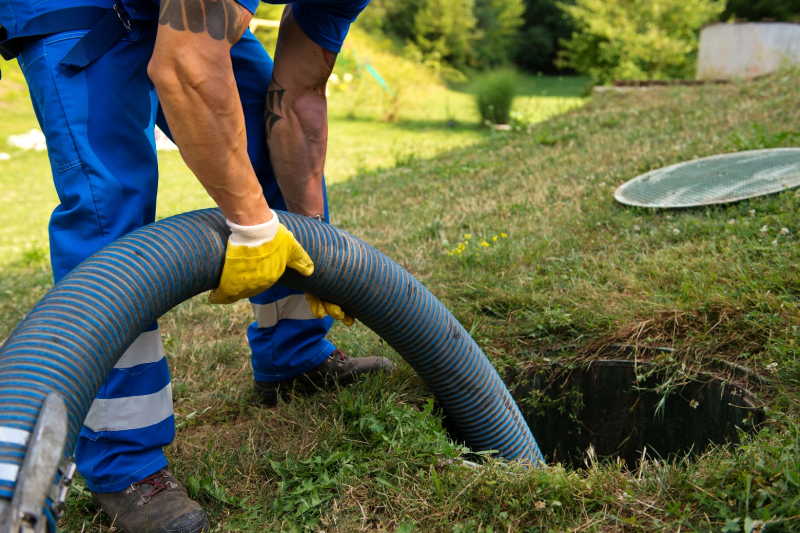

Underground holding vaults transform raw domestic waste into three distinct physical layers through natural gravitational separation inside sealed concrete chambers. Heavy materials fall directly toward the floor, while lighter fats float effortlessly across the water’s surface. Grasping how these fluid zones interact helps homeowners protect their property investments and prevent sudden, costly drainage backups.
The Heavy Bottom Layer: How Sludge Forms and Settles
Solid matter entering the primary compartment sinks quickly because gravity pulls dense organic particles straight to the concrete base. Human waste, food scraps from garbage disposals, and paper fibers gradually compress into a thick, muddy mass known as sludge. Microscopic bacteria living inside this oxygen-deprived environment slowly digest organic compounds, turning solid waste into liquid byproducts and gases. Dense solids accumulate continuously, meaning the bottom layer thickens month after month regardless of household habits. Scheduled septic tank pumping removes this compacted debris before it consumes too much functional space inside the vault.
Why Does Floating Scum Accumulate at the Top of the Tank?
Lighter materials entering the household plumbing system refuse to sink, creating a tough floating crust right at the water line. Cooking oils, animal fats, body lotions, soap residue, and buoyant food particles drift upward as soon as internal liquid turbulence calms down. This floating blanket acts like an airtight seal, trapping volatile gases while protecting the anaerobic bacteria working beneath the surface.
Thickening over months of continuous use, the scum layer eventually hardens into a rigid mass as fresh grease cools and binds with floating debris. High grease disposal accelerates this build-up, reducing the open liquid area between the top crust and the rising bottom sludge. Property owners searching online for reputable septic companies near me can schedule routine maintenance to clear away this stubborn top layer before it hardens completely.
The Middle Zone: Clarified Effluent and Its Vital Purpose
Sandwiched directly between the upper grease layer and the bottom sludge mass lies a relatively clear liquid zone called effluent. Water flowing from washing machines, showers, and sinks spends several hours in this middle area while suspended particles separate out through natural settling. Efficient separation requires calm water, which allows gravity to lift light fats and drop heavy solids without disturbing the central liquid core. Hiring an experienced septic contractor ensures that internal baffles remain intact, preventing fresh incoming water from stirring up these distinct liquid zones during heavy laundry cycles.
What Triggers the Breakdown of Organic Waste Underground?
Anaerobic bacteria serve as the invisible engine driving the entire waste decomposition process inside dark, airtight tanks. Microbes thrive without oxygen, feeding on organic compounds within both the sludge and effluent layers to reduce overall waste volume. Methane and hydrogen sulfide gases form continuously during this chemical breakdown, escaping safely through atmospheric vent pipes installed on household roofs.
Harsh chemicals poured down household drains disrupt this biological balance by exterminating beneficial bacterial colonies responsible for breaking down solid waste. Bleach, synthetic antibacterial soaps, chemical paint thinners, and drain openers sterilize the liquid environment, stopping natural organic decomposition dead in its tracks. Timely septic tank pumping services restore proper internal liquid balance by removing toxic chemical accumulation along with excess solid waste.
The Unseen Dangers of Narrowing Fluid Levels
Space inside an underground holding vault remains finite, forcing effluent to pass through the chamber faster as solid layers expand inward. Shortened retention times prevent fine particles from settling properly, sending suspended organic debris straight toward the outlet pipe and into the surrounding soil. Muddy liquid escaping into the drainfield clogs gravel beds and seals off dirt pores permanently, causing ground saturation. Professional septic contractors Huntsville AL routinely measure these hidden internal dimensions to verify that liquid retains adequate residence time for complete waste separation.
How Do Baffles Protect Your Drainfield From Clogging?
Physical barriers known as baffles guard the critical inlet and outlet ports inside every concrete or fiberglass holding tank. Inlet baffles smooth out incoming pipe flows, routing raw household sewage downward into the liquid zone without disturbing the floating scum layer above. Outlet baffles draw liquid exclusively from the clarified middle effluent layer, preventing floating grease and bottom sludge from escaping into delicate drainfield pipes.
Corrosion, shifting soil, or accidental physical damage can cause older concrete or plastic baffles to break down and fail over time. Damaged outlet barriers allow raw grease and suspended sludge particles to flow freely into the soil absorption system, causing premature leach field clogging. Regular septic tank service in Huntsville AL includes thorough visual inspections of these protective structural tees to catch physical decay before severe property damage occurs.
Keeping System Separation Balanced Over Time
Maintaining proper balance between sludge, scum, and effluent layers requires consistent professional oversight and routine maintenance schedules based on household size. Neglecting internal waste measurements leads to unexpected plumbing backups, expensive drainfield replacement costs, and severe environmental contamination around residential yards. Homeowners seeking reliable local support can partner with Cora Environmental to inspect structural integrity, measure internal layers accurately, and perform expert pumping services that keep household waste systems operating smoothly for decades.


![Introducing the Smart Lock Revolution [Lock Name]](https://images.unsplash.com/photo-1578912084730-23a3182cdf27?fm=jpg&q=60&w=3000&ixlib=rb-4.1.0&ixid=M3wxMjA3fDB8MHxzZWFyY2h8MTR8fHRvcCUyMHJhdGVkJTIwc21hcnQlMjBsb2NrfGVufDB8MHwwfHx8Mg%3D%3D "Introducing the Smart Lock Revolution [Lock Name]")

