

Key Takeaways
- Vehicle protection works best when every service addresses a specific driving or parking concern.
- Window tint can reduce glare, cabin heat, and UV exposure, but the finished shade must comply with South Carolina requirements.
- Paint protection film helps guard high-impact painted areas, while ceramic coatings support easier cleaning and a polished appearance.
- Thorough surface preparation and skilled installation matter as much as the product selected.
- Your mileage, parking habits, budget, and ownership timeline should guide the final package.
From bright Midlands sun and humid summer afternoons to sudden rain, pine pollen, highway construction dust, and long commutes on I-20, Lexington drivers ask a lot of their vehicles. A practical protection plan starts by identifying the conditions your vehicle actually faces, then choosing services that improve comfort, preserve appearance, and make regular upkeep easier. For many local owners, the strongest plan combines legal window film with targeted paint protection and careful preparation. A professional ceramic coating for cars in Lexington, SC, can be especially useful for drivers who want a glossier finish that is easier to wash after pollen season, summer storms, and everyday road grime.
Why Vehicle Protection Matters In Lexington
South Carolina weather can be demanding on paint, glass, trim, and interiors. UV exposure can fade dashboards and upholstery, rain can leave mineral spots, and bugs or bird droppings can stain neglected paint. Meanwhile, daily travel through Lexington, Columbia, and surrounding highway corridors increases the chance of rock chips, road film, and abrasion around bumpers, mirrors, and rocker panels. Protection is not only about keeping a vehicle shiny. It can improve driving comfort, help preserve interior materials, simplify cleaning, and enhance resale presentation. A commuter parked outside at work may prioritize heat and glare control. A newer truck that regularly travels on highways may benefit more from front-end physical protection. Owners searching for automotive ceramic coating near me should first decide whether easier maintenance, enhanced gloss, or a broader protection strategy is the real goal.
How To Assess Your Vehicle’s Needs
Before comparing products or packages, make a quick assessment of how the vehicle is used. This prevents spending heavily on protection that does not solve the problems you experience most often.
- Estimate weekly mileage, including highway driving and gravel-road travel.
- Note whether the vehicle is garage-kept, parked under cover, or exposed most days outdoors.
- Inspect for paint chips, swirl marks, faded trim, peeling tint, stains, and windshield pitting.
- Rank your priorities: comfort, privacy, appearance, paint preservation, or resale value.
- Set a budget that includes both installation and future cleaning or maintenance.
Choosing The Right Window Tint
Visible light transmission, commonly abbreviated as VLT, describes how much visible light passes through the finished glass and film. A lower VLT number looks darker, but that doesn’t automatically mean it’s cooler, more protective, or more appropriate for every driver.
- Dyed film is often a budget-conscious choice, though its heat-rejection performance and longevity may be more limited.
- Carbon film can provide a darker matte appearance with solid heat control and no metal content.
- Metallic film may reject heat effectively, but it can affect some electronic signals.
- Ceramic film is designed for strong heat rejection and UV performance without relying on metal, making it a popular option for drivers who value cabin comfort.
A clear or lightly shaded film may still provide meaningful UV protection. The UV window films designed to block more than 99 percent of UVA and UVB light can add protection without requiring the darkest possible look. Choose a film based on visibility, heat control, local rules, and your driving routine.
Checking South Carolina Tint Rules
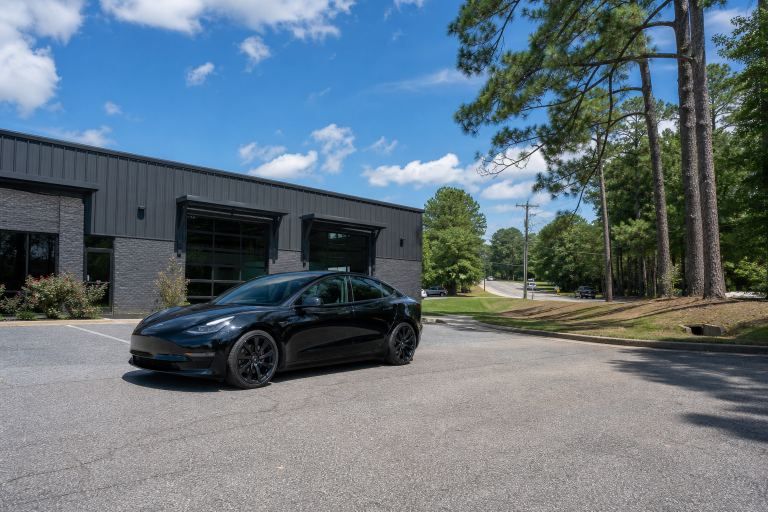
Confirm legal requirements before selecting a shade. Under the state’s sunscreen-device requirements for motor vehicles, aftermarket tint must be nonreflective and may not be red, yellow, or amber. The combined light transmission of front-side windows and most rear-side windows must be at least 27 percent. Rear-window rules and exemptions can depend on vehicle type, and vehicles with tinted rear-most windows require outside mirrors on both sides. Ask the installer what the finished VLT will measure after combining the selected film with factory glass. Also, confirm that the required compliance labels are applied, that old film removal is included when needed, and that the windshield film stays within the permitted top strip.
Paint Protection Film And Ceramic Coatings
Paint Protection Film
Paint protection film, often called PPF, is a clear physical barrier applied over painted panels. It is especially useful for the front bumper, leading edge of the hood, mirrors, door edges, lower doors, and rocker panels. Lexington drivers who spend significant time on I-20, US-1, or rural routes where loose debris is common may find targeted front-end coverage more valuable than coating the entire vehicle.
Ceramic Coatings
Ceramic coatings bond to properly prepared paint and create a slick, water-shedding surface. They can improve gloss and make it easier to remove normal road film, pollen, and grime. They are not a substitute for PPF, however. A coating does not stop every rock chip, deep scratch, or parking-lot dent. Many long-term owners pair PPF on vulnerable areas with a coating on the remaining painted surfaces.
Why Surface Preparation Matters
Protection should not be applied over contamination, oxidation, or neglected defects. A quality process may include washing, chemical decontamination, clay treatment, and paint correction to reduce swirl marks and restore clarity. Glass, seals, trim, painted edges, and old tint should also be inspected before work begins. For example, an older sedan with faded paint and bubbling window film may need film removal, a thorough wash, paint correction, and trim treatment before receiving new protection. Skipping preparation can leave defects visible beneath coatings or film and reduce the finished appearance.
Building A Protection Plan By Budget
Basic Plan
- Professional exterior wash and interior cleaning.
- Legal window tint selected for glare reduction and everyday comfort.
- Simple maintenance products suited to the vehicle’s finish.
Mid-Range Plan
- Higher-performance window film for improved heat management.
- Paint correction where swirls, haze, or light scratches are visible.
- Partial PPF coverage on high-impact front-end areas.
Long-Term Plan
- Complete paint inspection and correction.
- Expanded PPF coverage for frequent highway vehicles.
- Ceramic coating to support easier washing and lasting gloss.
- A written care schedule with periodic inspections.
Maintaining Protected Surfaces
- Follow the recommended curing period after installation.
- Wash with clean microfiber towels and pH-balanced products.
- Avoid abrasive brushes, harsh compounds, and poorly maintained automatic washes.
- Remove bugs, bird droppings, and road film promptly.
- Check film edges, trim, and coated panels during regular washes.
Questions To Ask Before Work Begins
- Which products best fit my mileage, parking situation, and vehicle age?
- What VLT will the finished windows measure?
- Does the quote include removal of old tint or correction of paint defects?
- Which panels will receive PPF, and where will seams or edges be located?
- How long must the vehicle remain indoors or avoid washing?
- What warranty terms apply to bubbling, peeling, fading, or installation defects?
Build Protection Around Real Lexington Driving
The best vehicle protection plan is not the darkest tint or the most expensive package. It is the combination that matches your time on Lexington roads, where you park, what condition the vehicle is in today, and how long you expect to keep it. With legal tint, sound preparation, and targeted paint protection, drivers can improve daily comfort while preserving the finish for years to come.
Conclusion
The right vehicle protection plan for Lexington drivers is built around real driving conditions, not simply on choosing the most expensive package. Legal window tint can improve comfort and glare control, while paint protection film helps defend vulnerable areas from road debris, and ceramic coatings can make routine cleaning easier. However, proper surface preparation, skilled installation, and regular aftercare are equally important. By considering mileage, parking habits, vehicle condition, budget, and how long the car will be kept, owners can select protection that provides practical value without unnecessary upgrades. A balanced approach can help maintain the vehicle’s appearance, improve everyday comfort, and make long-term care more manageable through Lexington’s changing weather and busy roads.


