Key Takeaways
- Dallas is made up of many smaller housing markets, so citywide trends may not match a specific neighborhood.
- Historic homes can provide character and central locations, but often require more detailed inspections and maintenance planning.
- Luxury homes may offer privacy, larger lots, and premium features, while also carrying higher ongoing ownership costs.
- Modern homes can offer newer systems, flexible layouts, and lower near-term repair needs.
- The right neighborhood depends on budget, commute, lifestyle, comfort with renovation, and future plans.
- Total ownership cost matters as much as the listing price.
Buying a home in Dallas, Texas, means choosing more than a house style. From tree-lined historic streets in Oak Cliff and East Dallas to larger luxury properties in Preston Hollow and updated construction in North Dallas, each area can create a very different daily experience, ownership budget, and resale outlook.
Buyers who want neighborhood-level perspective can turn to Dallas TX real estate experts Duncan Real Estate Co., an independent Dallas brokerage led by broker and owner Ty Duncan. Duncan Real Estate Co. focuses on residential buying and selling, with particular experience in historic and luxury homes across Kessler Park, Lakewood, North Dallas, and nearby Oak Cliff communities. That local specialization can be especially useful when comparing architectural character, property condition, and block-by-block value.
Why Dallas Neighborhoods Differ
Dallas should not be viewed as one uniform market. Lot sizes, housing age, street patterns, renovation expectations, access to restaurants and parks, school preferences, and commute routes can change quickly between neighborhoods. Current Dallas housing market conditions also reinforce how selective and localized buyer demand can be. A well-kept home on a scarce lot may attract strong interest, while a similarly priced property elsewhere may leave more room for negotiation.
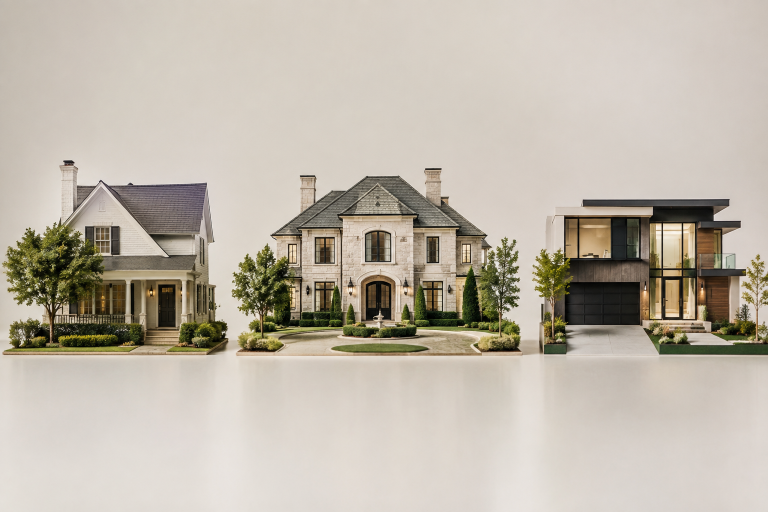
That is why buyers should carefully compare three broad categories: historic character, luxury amenities, and modern functionality. A home can fit more than one category. For example, a restored Tudor in an established neighborhood may also be a luxury property, while a newly built home may offer upscale finishes and contemporary efficiency.
What to Know About Historic Homes
Historic and older homes appeal to buyers who value distinctive architecture, original millwork, mature landscaping, and neighborhoods with a clear sense of identity. Areas such as Kessler Park, Lakewood, and portions of Oak Cliff offer examples of homes whose settings and details are difficult to duplicate in new construction.
Potential Advantages
- Architectural details and materials that create a one-of-a-kind feel.
- Established streets, larger trees, and often central locations.
- Access to neighborhoods with a long-standing community character.
- The opportunity to preserve a home while tailoring it to modern life.
Possible Challenges
- Older roofs, plumbing, electrical systems, windows, foundations, or HVAC equipment may need attention.
- Specialized repairs can cost more when materials or craftsmanship must match existing features.
- Renovation plans may be limited by preservation rules, zoning, or neighborhood restrictions.
Before planning exterior changes, buyers should confirm whether a home is in a designated historic district or is individually protected. The City of Dallas historic preservation program provides information about historic overlays, landmark properties, and review processes that may apply before certain exterior work begins.
What Defines a Luxury Neighborhood
Luxury is about more than a high asking price. It can reflect privacy, lot size, architectural quality, location, finishes, views, proximity to desired destinations, and the scarcity of comparable homes. In Dallas, luxury properties may be historic estates, custom contemporary homes, or recently completed new builds.
Buyers should look beyond statement kitchens and resort-style pools. Larger homes can entail greater obligations, including landscaping, pool care, security systems, insurance, property taxes, and custom repairs. Because high-end homes may have few direct comparables, the value of a renovation or unusual feature should be evaluated in the context of the immediate neighborhood.
Questions to Ask About a Luxury Property
- How many genuinely similar homes have sold nearby?
- Do the upgrades fit buyer expectations for this location?
- Are deed restrictions, association rules, or private agreements involved?
- What will routine maintenance cost each year?
- Will the home’s design appeal to a broad enough pool of future buyers?
When a Modern Home Makes Sense
Newer construction can be appealing to buyers seeking updated systems, open layouts, current safety features, energy-conscious design, and less immediate repair uncertainty. Flexible rooms can support remote work, guests, hobbies, or changing household needs, while newer appliances and materials may simplify early ownership.
New does not mean flawless. Buyers should still inspect drainage, grading, roofing, workmanship, warranties, and any nearby construction plans. They should also weigh trade-offs such as smaller lots, less mature landscaping, or a neighborhood still developing its identity.
Seven Factors to Compare Before Buying
- Budget and monthly cost: Include mortgage payments, taxes, insurance, utilities, maintenance, and association fees.
- Commute and access: Test key routes during typical work, school, and weekend travel times.
- Home condition: Review the roof, foundation, HVAC, windows, plumbing, and electrical work.
- Neighborhood lifestyle: Consider parks, walkability, dining, traffic, noise, privacy, and nearby activity.
- Renovation freedom: Check zoning, preservation rules, deed restrictions, and association standards.
- Resale appeal: Favor practical floor plans, sound maintenance, and features future buyers are likely to value.
- Long-term fit: Think about family changes, remote work, aging needs, and how long you expect to own the property.
How to Estimate Total Ownership Costs
A lower listing price does not automatically mean a lower-cost home. Build a realistic budget that accounts for principal and interest, taxes, insurance, utilities, routine maintenance, emergency repairs, landscaping, pest control, pool service, and planned improvements.
For example, two similarly priced homes may create very different financial commitments. A newer home could require fewer near-term repairs, while an older home in a central, established neighborhood may require a larger maintenance reserve but offer location and character that cannot be easily recreated. Compare the total picture before deciding which compromise is worthwhile.
Due Diligence for Dallas Buyers
- Obtain verified loan preapproval and establish a firm maximum budget.
- Review comparable sales from the same neighborhood whenever possible.
- Visit at different times, including weekdays, evenings, and weekends.
- Order a full inspection and specialized inspections when the property warrants them.
- Review drainage, flood considerations, foundation conditions, and insurance options.
- Check permits, tax records, restrictions, and renovation history.
- Ask about planned road work, development, construction, or zoning changes nearby.
- Estimate repairs and improvements before submitting an offer.
A Simple Dallas Home-Buying Checklist
- Define your preferred lifestyle, location, and commute.
- Set both a purchase-price limit and a total monthly cost limit.
- Choose three to five neighborhoods to compare.
- Identify your preferred home age, style, and condition.
- Review taxes, insurance, maintenance, and possible association fees.
- Check preservation requirements and property restrictions.
- Compare recent local sales and inspect carefully.
- Consider future resale demand before making an offer.
Dallas buyers do not need to choose between character, luxury, and convenience without a plan. A thoughtful comparison of neighborhood conditions, property details, ownership costs, and long-term goals can turn an attractive listing into a sounder decision for everyday life.