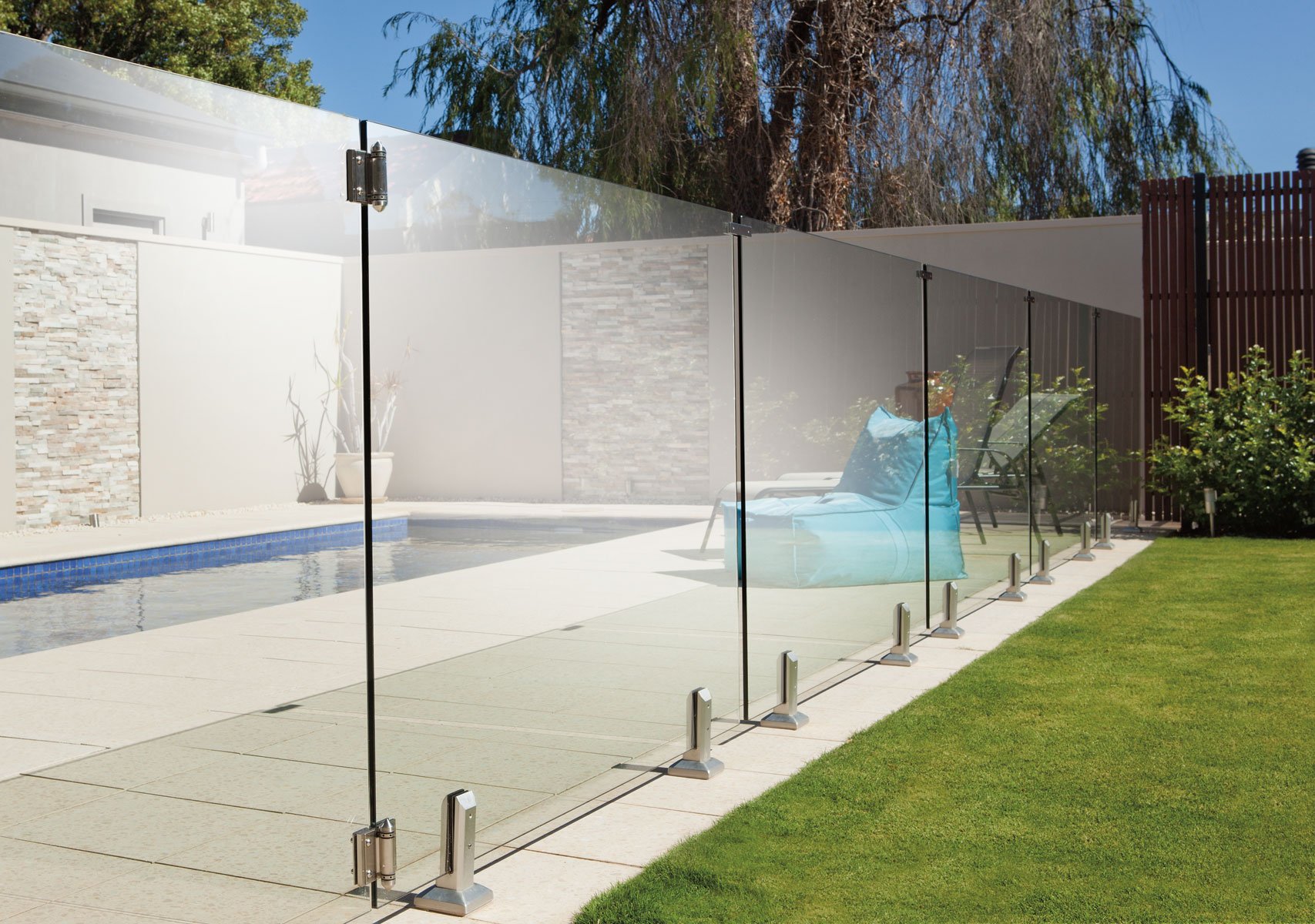
Choosing a pool starts with understanding the options. Shape, construction method, and style all influence cost and daily use. The Aquarius Pools website introduces these choices in a clear, visual format. In addition, readers who want fuller details can visit Aquarius Pools’ official website and browse each category at their own pace.
Key Takeaways
- Concrete, fibreglass, and vinyl pools each suit different budgets and sites.
- Plunge pools and lap pools solve very different space and lifestyle needs.
- Infinity edges, freeform curves, and geometric lines create distinct looks.
- Spas, swim-outs, and sun shelves add comfort and flexibility.
- Climate and lot size should guide both the pool type and the style.
- Matching a style to the home’s architecture produces a cohesive result.
- Saving examples from the site helps buyers explain their preferences.
Starting With the Main Pool Categories
Pools fall into a few broad groups. Concrete pools allow custom shapes and sizes. Fibreglass pools arrive as pre-formed shells, which shortens installation. Vinyl-lined pools sit in between, offering lower upfront cost with a liner that needs replacing over time.
Visitors can compare these groups on the website and see how each one looks in real projects. Therefore, the choice becomes less abstract. Seeing finished examples makes the trade-offs easier to understand.
Understanding Concrete Pool Options
Concrete suits owners who want full design freedom. Builders can create curves, steps, benches, and unusual depths. Moreover, the surface accepts tile, pebble, or quartz finishes in many colors.
The trade-off is time. Concrete builds take longer, and the finish needs periodic care. However, the result often fits high-end landscapes and complex sites better than any other option.
Weighing Fibreglass Pools for Faster Installation
Fibreglass shells come ready-made, so installation moves quickly. The smooth gelcoat surface resists algae and feels gentle on skin. Consequently, many owners find upkeep easier.
Size and shape remain limited by what a factory can produce and transport. For example, very large pools or unusual outlines may not suit this method. Nevertheless, fibreglass works well for family-sized pools on straightforward sites.
Exploring Plunge Pools and Lap Pools
Small yards call for smart choices. A plunge pool gives relief on hot days and fits a compact courtyard. Lap pools, on the other hand, focus on exercise and use a long, narrow footprint.
Some designs combine both ideas. Specifically, a short lap pool with a swim-jet system creates current for a real workout in limited space. Visitors can find examples of each style among the project images.
Choosing Between Infinity, Freeform, and Geometric Styles
Style shapes the mood of a property. Infinity edges make water appear to vanish into the view, so they suit sloped sites. Freeform pools mimic natural ponds and blend into gardens.
Geometric pools use clean lines and match modern homes. In particular, a rectangular pool with crisp coping echoes contemporary architecture. Both formal and relaxed styles can look excellent, provided they match the home and the land.
Adding Spas, Sun Shelves, and Swim-Outs
Extras change how a family uses the water. A spa offers warm relaxation, while a sun shelf gives children a shallow place to play. Additionally, a swim-out seat lets adults rest in the water without crowding the main pool.
Each feature affects budget and layout. Therefore, buyers should rank them by importance before finalizing a design. A short priority list keeps the project focused and the cost under control.
Matching Style to Climate and Lot Size
Local conditions limit what works. Cold regions need robust covers and freeze-resistant equipment, whereas hot areas benefit from shade and cooling features. In fact, climate often decides the best material and depth.
Lot size and slope matter just as much. Flat, spacious blocks allow almost any style, but steep or narrow sites demand careful design. As a result, early site measurements help narrow the options.
Turning Website Browsing Into a Clear Design Brief
Browsing becomes useful when it produces decisions. Save images of pools that feel right and write down why. For instance, note the edge style, the surrounding paving, and the lighting.
Share those notes during the first consultation. Moreover, a short list of must-have features and a rough budget gives the designer a strong starting point. Clear input from the owner leads to a design that fits both the home and the lifestyle.